
Ravindra K Raut
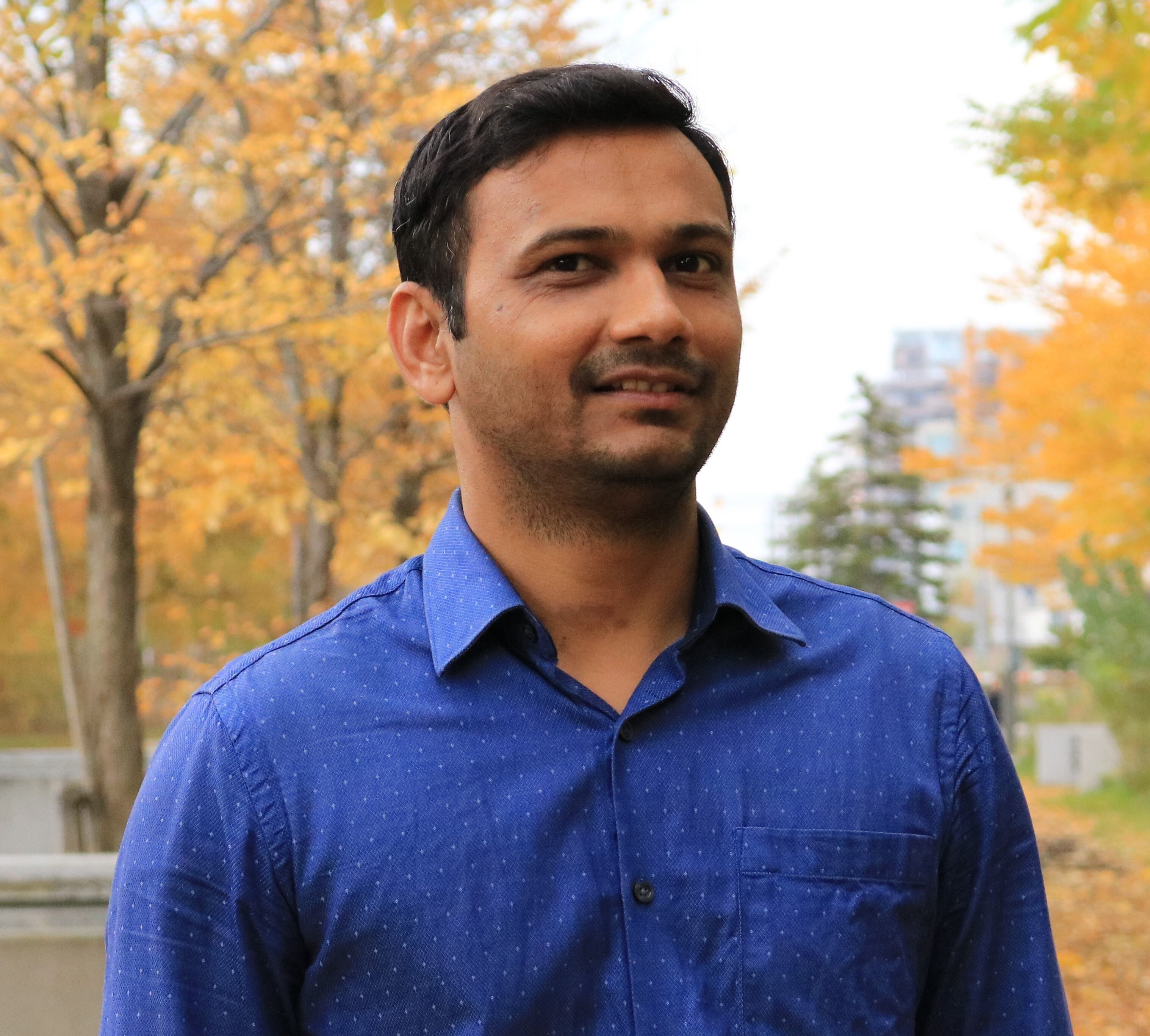
Ravindra K Raut
Assistant ProfessorAbout
Dr. Ravindra obtained his M.Sc. degree in Chemistry in 2012 from Fergusson College, Pune (affiliated with the University of Pune). Following his master’s studies, he gained valuable industrial experience at Mylan Pharmaceuticals, Hyderabad, and subsequently at the National Chemical Laboratory, Pune. He then undertook doctoral research at the Indian Institute of Science Education and Research (IISER) Pune under the supervision of Prof. Moumita Majumdar, focusing on main group chemistry. In 2020, he joined the group of Prof. Benjamin List (Nobel Prize in Chemistry, 2021) at the Institute for Chemical Research Design and Discovery (ICReDD), Hokkaido University, Japan, as a postdoctoral fellow. His contributions at ICReDD led to his promotion as a specially appointed assistant professor in 2024. Dr. Ravindra returned to India in 2025 and worked as a research scientist at Sai Life Sciences, where he further strengthened his expertise in applied chemical research. Since March 2026, he has been serving as an assistant professor in the Department of Chemistry at IIT Jodhpur. His current research interests lie in exploring the catalytic applications of main group elements, bridging fundamental chemistry with practical applications.
Research
Our current research is driven by the pursuit of sustainable innovation in chemical sciences, with a particular focus on the design and development of main group asymmetric complexes for catalytic applications. We aim to harness the untapped potential of earth-abundant p-block elements to design novel catalytic systems that deliver high reactivity, efficiency, and selectivity. The approach integrates experimental chemistry with computational insights to uncover new reactivity patterns and stereocontrol strategies. A cornerstone of our approach also involves high‑throughput experimentation, which accelerates discovery by enabling rapid screening of catalysts and reaction conditions. This integration of innovative design with data‑driven experimentation allows us to uncover new reactivity patterns, expand substrate scope, and train future scientists to drive chemistry toward scalable, environmentally responsible solutions. The focused research areas are -
- Design and development of low-valent main group complexes
- Asymmetric catalysis by p-block elements
- High Throughput Experimentation
- Lewis acid functionalization of Strained rings