
Rahul Gera
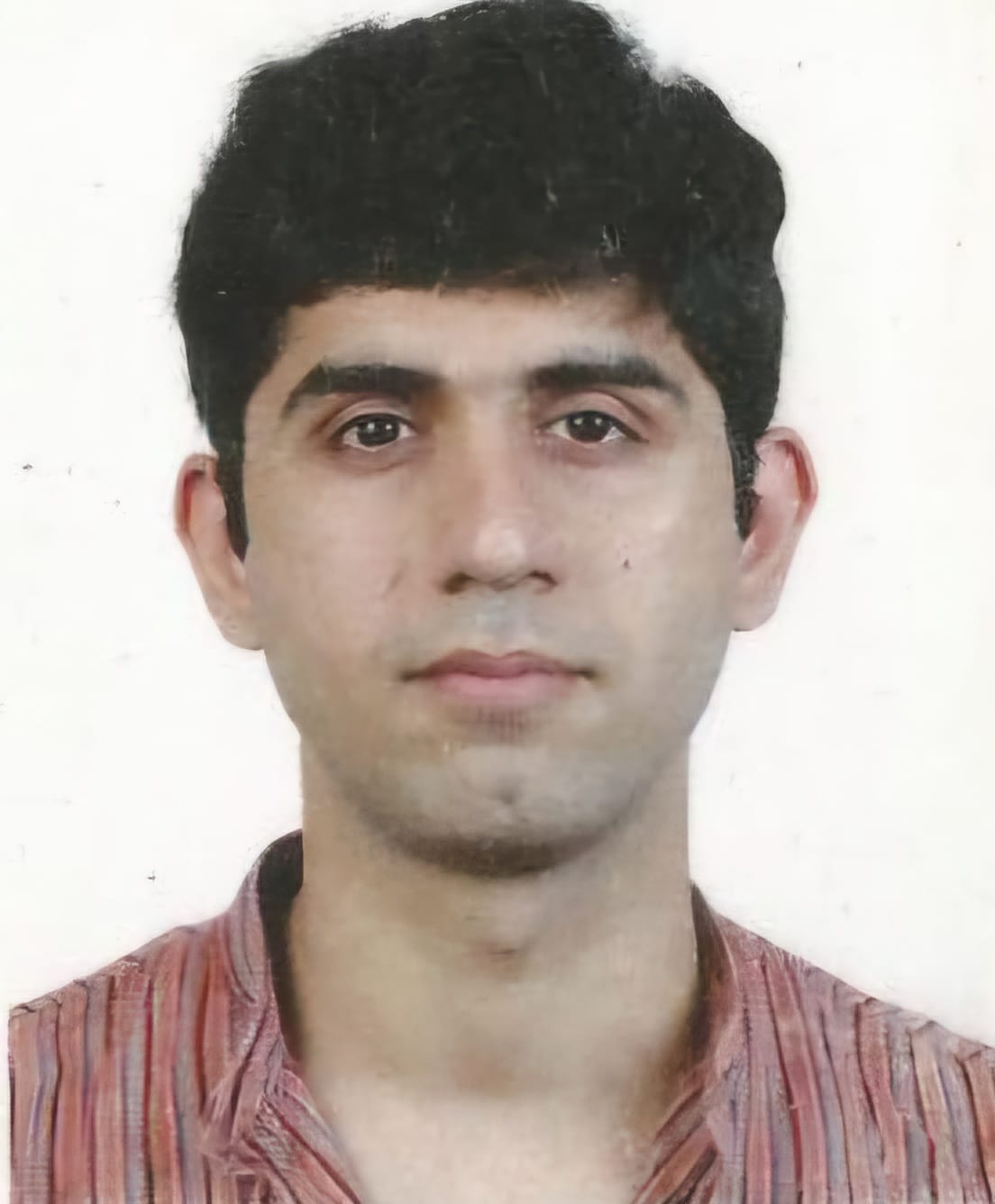
Rahul Gera
Assistant ProfessorAbout
Dr. Rahul Gera
completed his Ph.D. at the Tata Institute of Fundamental Research in 2016.
Following his doctoral studies, he pursued postdoctoral research at the
University of Pennsylvania from 2016 to 2018. He then joined AMOLF in the
Netherlands for subsequent postdoctoral work from 2019 to 2021, followed by a research
fellow appointment at the Nanyang Technological University from 2022 to 2023.
In 2024, Dr. Gera joined the Regional Institute of Education, a constituent unit of the National Council of Educational Research and Training (NCERT), as an Assistant Professor, where he served until 2025. In April 2025, Dr. Gera joined the Department of Chemistry at the Indian Institute of Technology (IIT) Jodhpur as an Assistant Professor
Research Interest
At the Indian
Institute of Technology Jodhpur, Dr. Rahul Gera aims to establish a research
program focused on developing molecular self-assemblies for controlling
photochemical reactivity at the nanoscale. Utilizing his experience in host–guest
chemistry, supramolecular self-assemblies, and nonlinear optical spectroscopic
methods, such as femtosecond transient absorption spectroscopy and vibrational
sum-frequency generation spectroscopy, he aspires to develop novel strategies
for driving selective photochemistry both in solution and at interfaces.
His group designs
and synthesizes self-assembled nanocages to encapsulate and stabilize reactive
guest molecules, enabling access to unique light-driven reaction pathways under
molecular confinement. They investigate ultrafast excited-state dynamics and
key physical properties using state-of-the-art spectroscopy. The group aims to uncover
how confined environments reshape photochemical behaviour.
Keywords -
- Supramolecular assemblies and
host–guest chemistry
- Self-assembled functional
nanostructures
- Ultrafast photophysics and
excited-state dynamics
- Light-induced reactivity
- Confinement-controlled catalysis and
photochemistry